Spring weather brings rain, fog, and flooded roads that can quickly impact driving conditions for CDL drivers. Learn practical defensive driving tips to stay safe, improve visibility, and maintain control in unpredictable weather. From avoiding hydroplaning to navigating low visibility and standing water, these tips help protect you, your equipment, and everyone on the road.
Early spring brings unpredictable weather patterns that can quickly change road conditions. One mile may offer clear skies, while the next presents heavy rain, thick fog, or standing water across the roadway. For professional drivers, these hazards require heightened awareness and a strong defensive driving mindset.
Safety has always a focus for Carter LOGISTEED (previously Carter Express), due to our commitment to our drivers and anyone else on the road. Taking proactive steps when driving in challenging spring weather helps protect you, your equipment, and everyone sharing the road.
Driving Safely in Heavy Rain
Rain can significantly reduce traction, increase stopping distance, and limit visibility — especially for commercial vehicles.
Defensive tips for rainy conditions:
Watch for hydroplaning:
If your steering suddenly feels loose or unresponsive, ease off the accelerator and keep the wheel steady until traction returns. Avoid braking hard, which can worsen loss of control.
Navigating Fog and Reduced Visibility
Fog can appear quickly in early spring, particularly during early morning or evening hours and near rivers, valleys, and low-lying areas.
Best practices for driving in fog:
If visibility becomes too poor to continue safely, pull over at a safe, designated location until conditions improve.
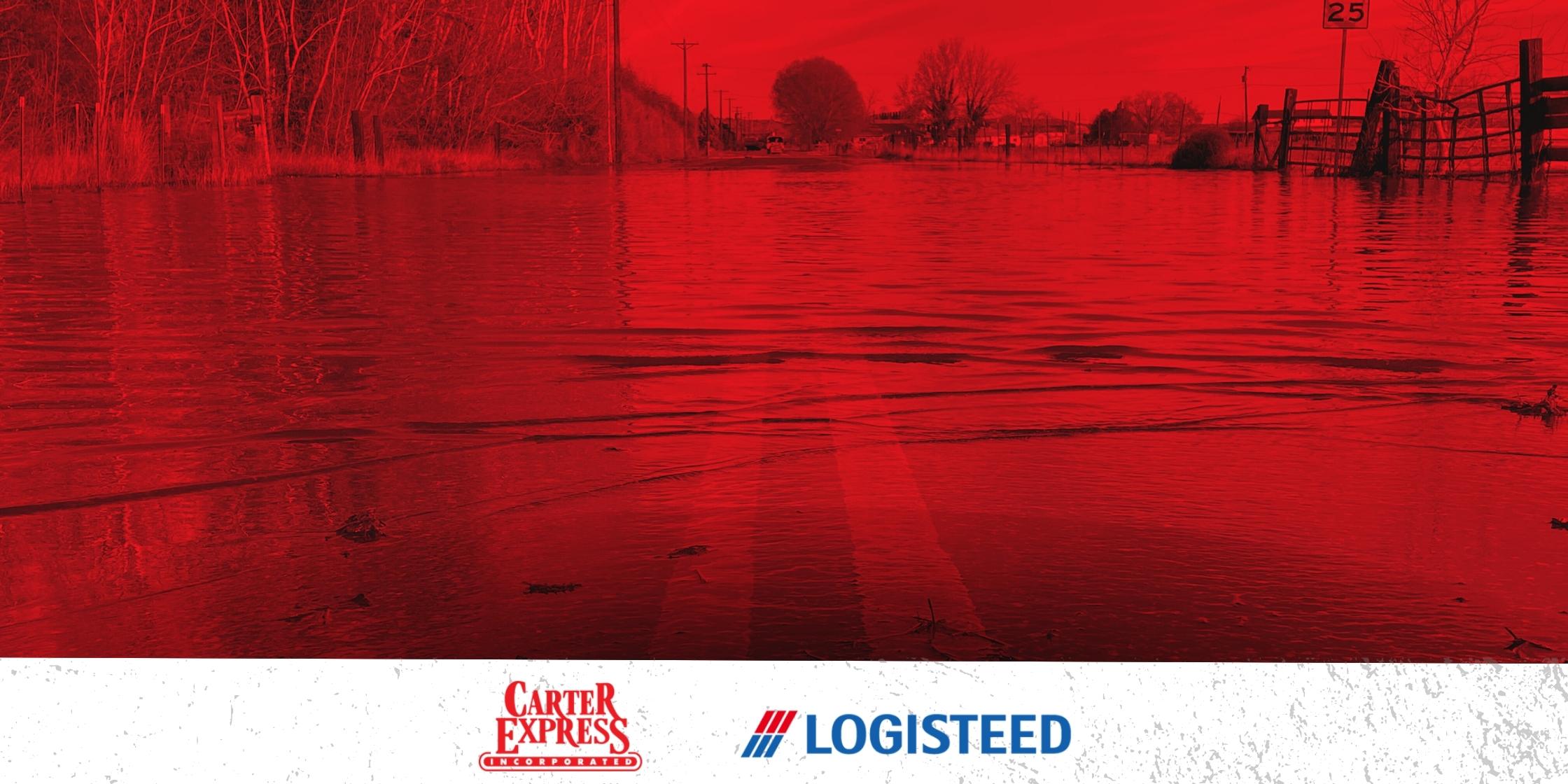
Flooded Roads and Standing Water
Heavy spring rain can cause water to accumulate quickly on highways, ramps, and rural roads.
Stay safe around flooded areas:
Turning around or finding an alternate route is always safer than risking damage or loss of control.
Additional Early Spring Driving Reminders
Carter LOGISTEED Express Supports Safe Driving in Every Season
Professional drivers know that preparation is key when facing unpredictable weather. By practicing defensive driving techniques, you help ensure that every trip ends safely.
At Carter LOGISTEED, we appreciate the skill, focus, and professionalism our drivers demonstrate every day. Your commitment to safety keeps freight moving and helps everyone arrive home safely.