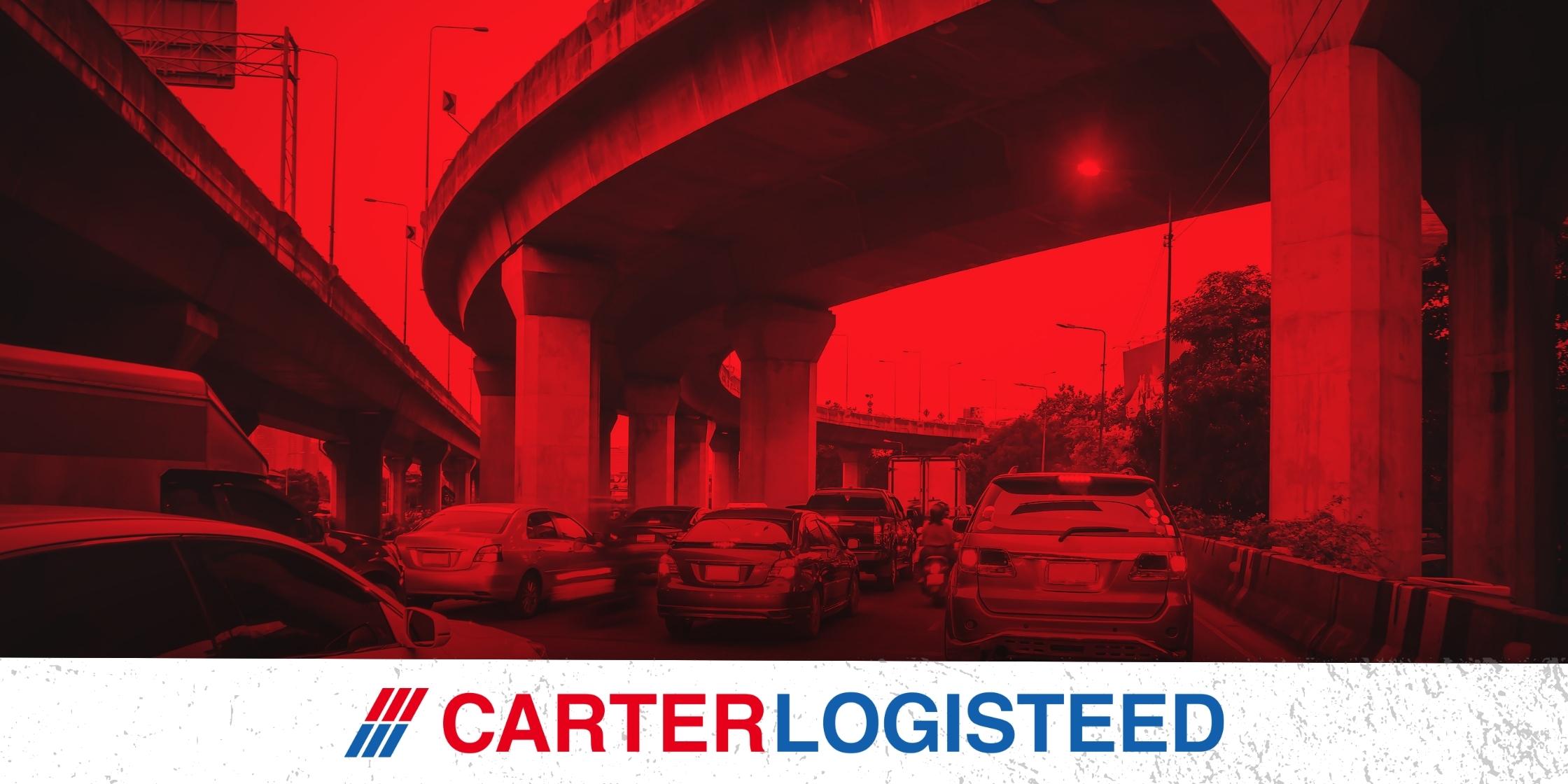
Peak travel season brings heavier traffic, work zones, and unpredictable drivers. Carter LOGISTEED shares practical safety tips for professional truck drivers, from managing fatigue and equipment checks to staying calm in congestion and communicating with dispatch. Learn how preparation, awareness, and consistency help drivers stay safe mile after mile.
As spring turns into summer, traffic patterns shift—and for professional drivers, that shift is impossible to ignore. Late April through early May marks the start of peak travel season, when roadways fill up withvacationers, holiday travelers, and more inexperienced drivers logging extra miles.
For Carter LOGISTEED drivers, this time of year isn’t just busier—it demands a sharper focus on safety, awareness, and consistency behind the wheel. Here are six specific ways professional drivers stay safe as traffic ramps up.
Expect the Unexpected
Peak travel season brings a surge of drivers who aren’t used to long trips, highway speeds, or sharing the road with trucks. That often shows up as sudden braking, missed exits, wide turns, and last-second lane changes—especially near interchanges and rest areas. You can stay ahead of this by:
Safety isn’t about reacting at the last second—it’s about reading the road early and creating space between your truck and other cars before situations develop.
Work Zones Are Everywhere
Construction season ramps up fast this time of year, and work zones often change daily. Lanes shift, shoulders disappear, and traffic patterns don’t always match what the GPS shows. Staying safe in these areas means:
Work zones are one of the most common places for preventable accidents. Professional drivers know that slowing down early and staying locked in makes all the difference.
Manage Fatigue Before It Manages You
Longer daylight hours can be misleading in terms of energy levels. Just because it’s still light out doesn’t mean your body isn’t feeling the strain of a long day—especially with added delays from traffic and construction typical of peak travel season.
To avoid fatigue becoming an issue:
It is crucial to remember that fatigue doesn’t always hit all at once—it builds. Staying ahead of it is key to staying safe.
Keep Your Equipment Road-Ready
Warmer temperatures and heavier traffic mean more stress on your truck. Stop-and-go driving, long idling times, and heat all take a toll—especially on tires and cooling systems. Be sure to include these in your pre-and-post-trip inspections
At Carter LOGISTEED, dependable equipment supports safe driving—but it starts with drivers who stay aware of how their truck is performing.
Stay Calm in Congestion
From long holiday weekends to vacation traffic, backups are unavoidable this time of year. The real difference in how they go is how you handle them. In high traffic situations, try to:
Frustration leads to rushed decisions, but staying calm keeps you in control.
Communication Makes the Difference
During peak travel season, road and overall driving conditions can change quickly due to anything ranging from delays and detours to weather shifts and traffic incidents, which all play a role in complicating time on the road. But communication with your team can make all the difference.
Strong communication can look like:
At Carter LOGISTEED, safety is a team effort. Clear communication helps everyone adjust and keep freight—and all our drivers—moving safely.
Consistency Is What Sets Professionals Apart
Anyone can drive when conditions are ideal. What sets professional drivers apart is the ability to stay consistent when conditions are not. Peak travel season brings more traffic, more variables, and more unpredictability—but the fundamentals don’t change. Staying focused, prepared, and proactive is what keeps Carter LOGISTEED drivers delivering safely, mile after mile.
For drivers who take pride in that level of professionalism—and want to be part of a team that values safety, consistency, and doing things the right way—Carter LOGISTEED offers the opportunity to keep moving forward in a career built for the long haul.